
Industrial capability assessment in Turkey: Validating project feasibility before launching a sourcing process
Industrial capability assessment in Turkey: Validating project feasibility before launching a sourcing process
Turkey is now recognised as one of the main industrial bases in the Euro-Mediterranean region. Mechanical engineering, metallurgy, plastics, automotive, rail, technical textiles, electronics, medical devices, aerospace, defence, energy and industrial equipment: the Turkish industrial ecosystem covers a particularly broad range of activities.
However, the existence of a developed industrial sector does not automatically mean that the Turkish market is able to meet the specific requirements of a given project.
Before launching sourcing in Turkey, initiating a supplier consultation or starting an industrial subcontracting process in Turkey, one essential question must be asked: does the Turkish market genuinely have the industrial, technical, quality and organisational capabilities required to meet your needs?
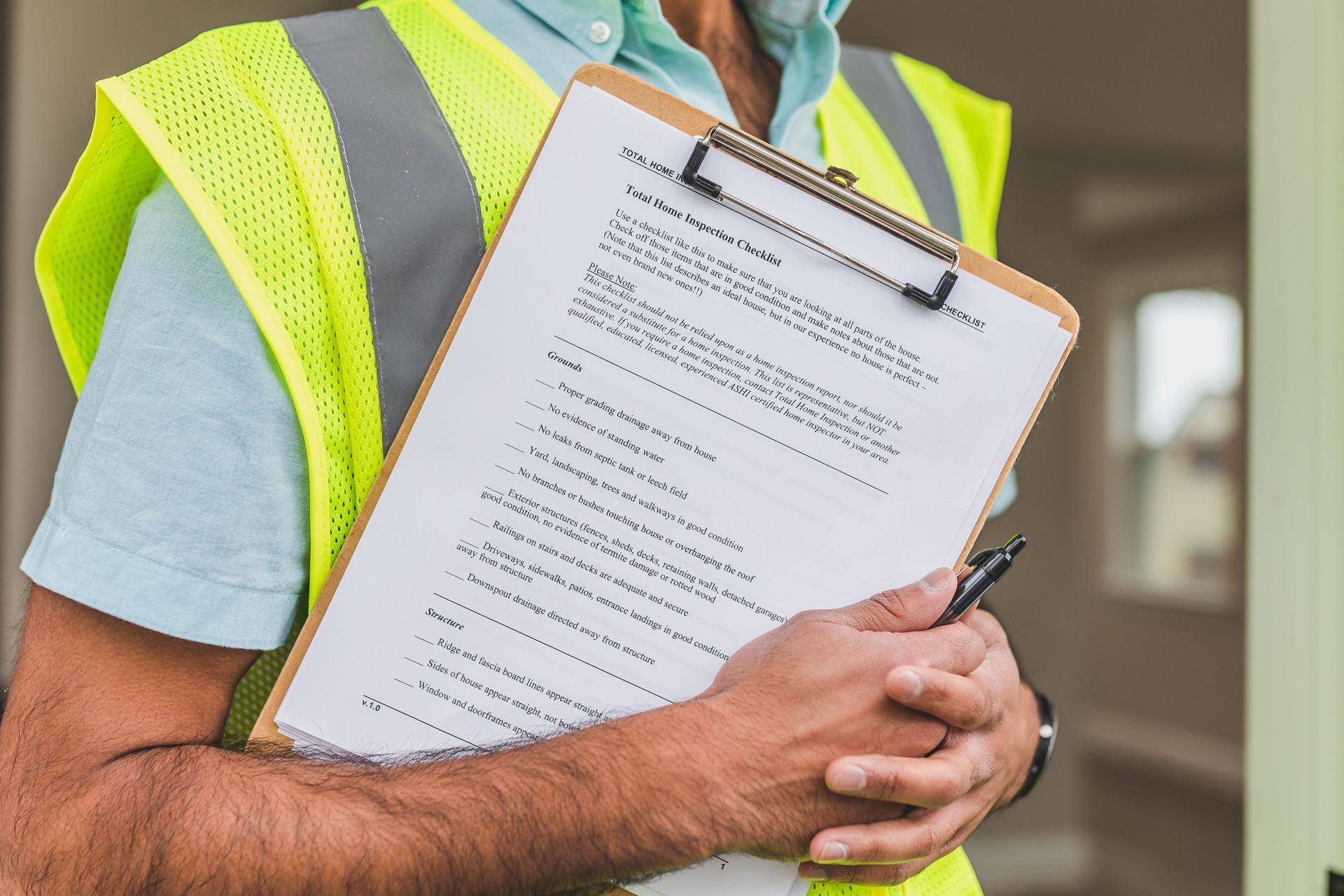
This is precisely the purpose of an industrial capability assessment in Turkey. This analysis verifies the alignment between the Turkish industrial base and the technical, quality, supply chain and industrial requirements of a project before investing time and resources in a detailed supplier search.
Verifying whether the Turkish industrial base is suited to your project
Not all industrial projects require the same skills, equipment or level of industrial maturity. A simple high-volume product, a high-value technical component, a precision part, a welded mechanical sub-assembly, a complex industrial machine or a product subject to strict regulatory standards all require very different types of know-how. Before searching for suppliers in Turkey, it is therefore essential to verify whether an industrial base suited to the need actually exists. This validation requires a clear definition of the product characteristics, dimensions, tolerances, materials, level of complexity, expected volumes, production rates, logistics constraints and critical supplier selection criteria.
This initial assessment also makes it possible to identify the required technologies, validate the main manufacturers and subcontractors likely to meet the need, and distinguish genuinely relevant players from companies that are merely visible online.
For many companies, this stage is an essential preliminary validation before launching an industrial sourcing process in Turkey.
Analysing the technologies, equipment and production capabilities available in Turkey
One of the main challenges is to distinguish between what is theoretically available and what Turkish industrial companies actually master. An industrial capability assessment analyses the production capacities of the identified players: volume, production rate, flexibility, ability to handle short or long production runs, industrial organisation, level of automation and capacity to absorb regular or gradually increasing demand. It also examines the industrial equipment and technologies used, verifies the ability to manufacture according to technical specifications, analyses tolerances, dimensions and technical constraints, and assesses the ability to adapt to the specific requirements of the customer.
This assessment is particularly important when the project involves specific materials, demanding technical processes, high levels of precision, assembly constraints, sector-specific requirements or strict customer standards.
The objective at this stage is not yet to select a supplier, but to understand whether the technologies, industrial processes and know-how actually available in the Turkish market correspond to the project’s requirements. This analysis also helps identify any technical limitations of the Turkish market, in order to avoid launching a supplier consultation within an industrial scope that is insufficiently compatible with the project.
Assessing the quality, certifications and industrial maturity of Turkish suppliers
The success of an industrial project depends not only on the ability to manufacture, but also on the ability to manufacture in accordance with the expected standards. An industrial capability assessment helps evaluate the industrial maturity of the identified players, their quality organisation, their level of professionalisation and their ability to work according to European or international standards. This analysis covers ISO certifications, sector-specific or customer-specific certifications, quality standards, documentation requirements, traceability, product compliance, control procedures and the ability to comply with European or international norms.
For companies subject to high quality, compliance or industrialisation requirements, this stage makes it possible to verify whether the Turkish industrial offering is compatible with their own standards. It also helps identify potential gaps, support requirements, points to be formalised in a future specification document and issues that will need to be verified during a later supplier audit phase in Turkey.
Anticipating industrial, logistics and supply chain risks in Turkey
Even when an industrial base exists, certain risks must be identified before launching the project. An industrial capability assessment in Turkey highlights the constraints that could affect the feasibility or future performance of a sourcing project. It makes it possible to analyse technical or quality risks, identify sector-specific constraints, assess supplier dependency risks, non-compliance risks and the operational limitations of the Turkish market.
This assessment also helps understand issues relating to the Turkish supply chain, production lead times, procurement lead times, raw material availability, logistics constraints, transport costs and the ability of local manufacturers to adapt.
The objective is to determine whether the Turkish market is suitable for the project, under which conditions and with which precautions. This consolidated analysis helps avoid industrial positioning errors, unnecessary consultations or the selection of suppliers that are insufficiently aligned with the customer’s requirements.
Building an industrial sourcing strategy in Turkey on solid foundations
An industrial capability assessment is often the first stage of a sourcing project in Turkey. It makes it possible to validate, or challenge, the relevance of the Turkish market before moving into more operational steps such as supplier identification, calls for expressions of interest, RFIs, RFQs, RFPs, supplier audits or technical consultations. This approach helps identify the types of suppliers to prioritise, the technical or organisational adjustments required and the most relevant selection criteria for the next stages of the project.
Beyond a simple snapshot of the Turkish industrial market, the objective is to provide a clear view of the project’s industrial feasibility and to propose a roadmap for the next phase: RFI, RFQ, audit, field qualification or technical consultation.
For purchasing directors, industrial directors, sourcing managers and business owners, this upstream validation helps reduce risks, optimise the resources mobilised and secure future sourcing decisions in Turkey.
Advantis supports companies with industrial capability assessments in Turkey
For more than twenty years, Advantis has carried out industrial capability assessments in Turkey for SMEs, mid-sized companies, industrial groups, purchasing departments, industrial departments and international businesses seeking to validate the feasibility of a project before launching a sourcing or subcontracting process in Turkey.
Our analyses assess the alignment between the Turkish industrial base and your technical requirements, identify available technologies and know-how, validate the main manufacturers and subcontractors, and analyse production capabilities, industrial equipment, certifications, quality standards and operational constraints that may affect your project.
Our objective is to provide business owners, purchasing directors, sourcing managers and industrial directors with a clear and practical understanding of the industrial capabilities available in Turkey, helping them secure their decisions, guide their sourcing strategy and prepare the next stages of their industrial project effectively.