

Advantis Conseils
Strategic partner of your growth in the Turkish market since 2003
FAQs
Understanding the Turkish market and preparing your project
How can I successfully develop my business in Turkey?
Successfully developing your business in Turkey requires a clear understanding of the market, validation of your project’s real potential, identification of the right local channels, and careful management of commercial, regulatory, legal and operational issues. Advantis supports companies from market analysis through to local execution, including prospecting, partner search, sourcing, local setup, recruitment and administrative management.
Discover our client testimonials.
Which sectors does Advantis cover?
Advantis works across a wide range of sectors in Turkey, including industry, equipment, healthcare, agrifood, energy, environment, mobility, B2B services, distribution, technology, construction and regulated sectors. Our approach is based on first-hand market knowledge, an active local network and the ability to mobilise sector-specific experts depending on the nature of the project.
Discover sector opportunities in Turkey.
How can I manage a project in Turkey in a context of inflation and volatility?
Inflation, currency fluctuations and financing conditions must be factored into the project from the outset: pricing, margins, invoicing currency, payment terms, contractual clauses and financial flows.
A well-structured approach helps limit exposure to risk and adapt the commercial, industrial or investment strategy to the realities of the Turkish market.
Contact us for an initial consultation.
Exporting, selling and finding partners in Turkey
How can a foreign company sell in Turkey?
Selling in Turkey requires choosing the right market access model: direct sales, distributor, agent, importer, integrator, marketplace or local presence. The right approach depends on the sector, the level of service required, pricing, regulatory constraints and the degree of control you wish to maintain over the market.
Discover our support: Exporting to Turkey.
How can I find a reliable distributor or partner in Turkey?
A reliable distributor cannot be assessed only through its website or apparent size. It is important to review its sales network, references, geographic coverage, customer portfolio, actual motivation and compatibility with your offer. Advantis carries out an initial screening followed by a structured qualification process to build a shortlist of relevant and genuinely interested partners.
Discover our support: Commercial partner qualification in Turkey.
How can I prospect B2B customers in Turkey?
B2B prospecting in Turkey requires more than a simple contact list. It involves precise targeting, local outreach, decision-maker qualification, assessment of real interest and the organisation of useful business meetings. This approach helps generate concrete commercial opportunities without the need to immediately set up a local entity.
Discover our support: B2B commercial prospecting in Turkey.
What taxes apply when importing products into Turkey?
The main taxes to anticipate are customs duties, local VAT — KDV — and, depending on the product, additional taxes such as ÖTV, the special consumption tax. Customs duties depend on the customs code, product origin and applicable trade agreements. Under the EU–Turkey Customs Union, many industrial products may benefit from zero customs duties if the required conditions are met. The generally applicable KDV rates are 20%, 10% and 1%, depending on the category of goods or services.
Discover our support: Regulatory and customs analysis in Turkey.
Sourcing, importing and securing industrial purchasing in Turkey
How can I find reliable suppliers in Turkey?
Finding a reliable supplier in Turkey requires checking its industrial capabilities, certifications, references, quality organisation, export experience and actual fit with your specifications. Advantis structures this phase through supplier screening, RFI qualification and, where relevant, an RFQ process.
Discover our support: Supplier Identification and Qualification - RFI - in Turkey.
How can I compare offers from Turkish suppliers?
To compare suppliers properly, they must be consulted on the same basis: identical specifications, volumes, quality criteria, incoterms and logistics requirements. An RFQ / RFP process allows you to assess not only the unit price, but also the full cost of supply.
Discover our support: RFQ / RFP tender management in Turkey.
Setting up, producing and investing in Turkey
How can I create a subsidiary or company in Turkey?
Setting up a structure in Turkey involves selecting the appropriate legal form, preparing the articles of association, completing notarial procedures, registering the company, obtaining a tax number, opening a bank account, depositing the share capital and completing the required administrative registrations. Advantis coordinates these steps to secure the incorporation process and accelerate the operational launch.
Discover our support: Subsidiary and company formation in Turkey.
Should I create a subsidiary, branch or liaison office in Turkey?
The right option depends on your activity, the level of control required, regulatory obligations and commercial objectives.
A subsidiary generally allows for full and autonomous commercial activity. A branch creates a stronger link with the parent company, while a liaison office is limited to non-commercial activities. The choice must be assessed in light of the actual project.
Discover our support: Commercial and industrial setup analysis in Turkey.
How can I successfully set up an industrial operation in Turkey?
An industrial setup requires securing the location, legal structure, incentives, authorisations, human resources, service providers, equipment and operational launch. Advantis supports project implementation after the investment decision in order to reduce risks related to coordination, timing and local execution.
Discover our support: Industrial setup in Turkey.
Are there organised industrial zones in Turkey?
Yes. Turkey has a highly developed network of Organised Industrial Zones, known as OSB or OIZ, offering infrastructure suited to production activities: energy, roads, shared services, technical networks and a structured industrial environment. The Turkish Investment Office indicates that there are 392 Organised Industrial Zones in Turkey, including 274 operational zones and 118 under construction.
Are there free zones in Turkey?
Yes. Turkey has free zones designed to support investment, export-oriented production and international trade.
The Turkish Ministry of Trade indicates that 19 free zones have become operational since 1985. Their relevance should be assessed according to customs flows, export share, planned activity and the project’s business model.
Recruiting, employing and managing teams in Turkey
Can I hire in Turkey without creating a local entity?
without immediately creating a local entity.
This solution is useful for testing the market, hiring a first sales representative, sourcing profile, after-sales technician or operational employee.
Discover our support: Employer of Record in Turkey
How does Advantis’ payroll outsourcing service go beyond payroll management?
Advantis’ service is not limited to salary payment. It may include onboarding, HR follow-up, administrative support, back-office assistance, travel coordination, visa formalities, expense management and certain logistics needs related to the employee’s activity in Turkey.
Discover our support: HR administration and back office in Turkey.
How can I recruit rare or strategic profiles in Turkey?
Some profiles cannot be reached through a standard job posting. For commercial, technical, managerial or confidential roles, a direct headhunting approach helps identify, approach and qualify candidates who are better aligned with the role and the realities of the Turkish market.
Discover our support: Headhunting in Turkey.
How can I obtain a work permit for a foreign employee in Turkey?
Obtaining a work permit depends on the employee’s profile, nationality, position, salary, employer structure and applicable regulatory criteria. A preliminary assessment helps confirm the feasibility of the application, prepare the necessary documents and secure the arrival of the foreign employee in Turkey.
Discover our support: Work permit management in Turkey.
How should I prepare for a first business trip to Turkey?
An effective business trip should be built around clear objectives: market understanding, B2B meetings, partner discussions, customer meetings, supplier visits, industrial site visits or institutional exchanges. Local preparation, qualified contacts and cultural support can turn a business trip into a real decision-making or business development tool.
Discover our support: Business trips in Turkey.
Where should I live in Istanbul when relocating for work?
The choice of neighbourhood depends on the workplace, budget, lifestyle, family situation and acceptable commuting time.
Neighbourhoods often appreciated by expatriates and foreign executives include Beşiktaş, Şişli, Levent, Maslak, Sarıyer, Kadıköy, Üsküdar and Ataşehir. However, the right choice should always be adapted to the individual profile and practical constraints.
Our Solutions

Analyze the Turkish market & secure your market entry decisions
Understand the market, confirm your project’s feasibility & validate your market entry strategy.
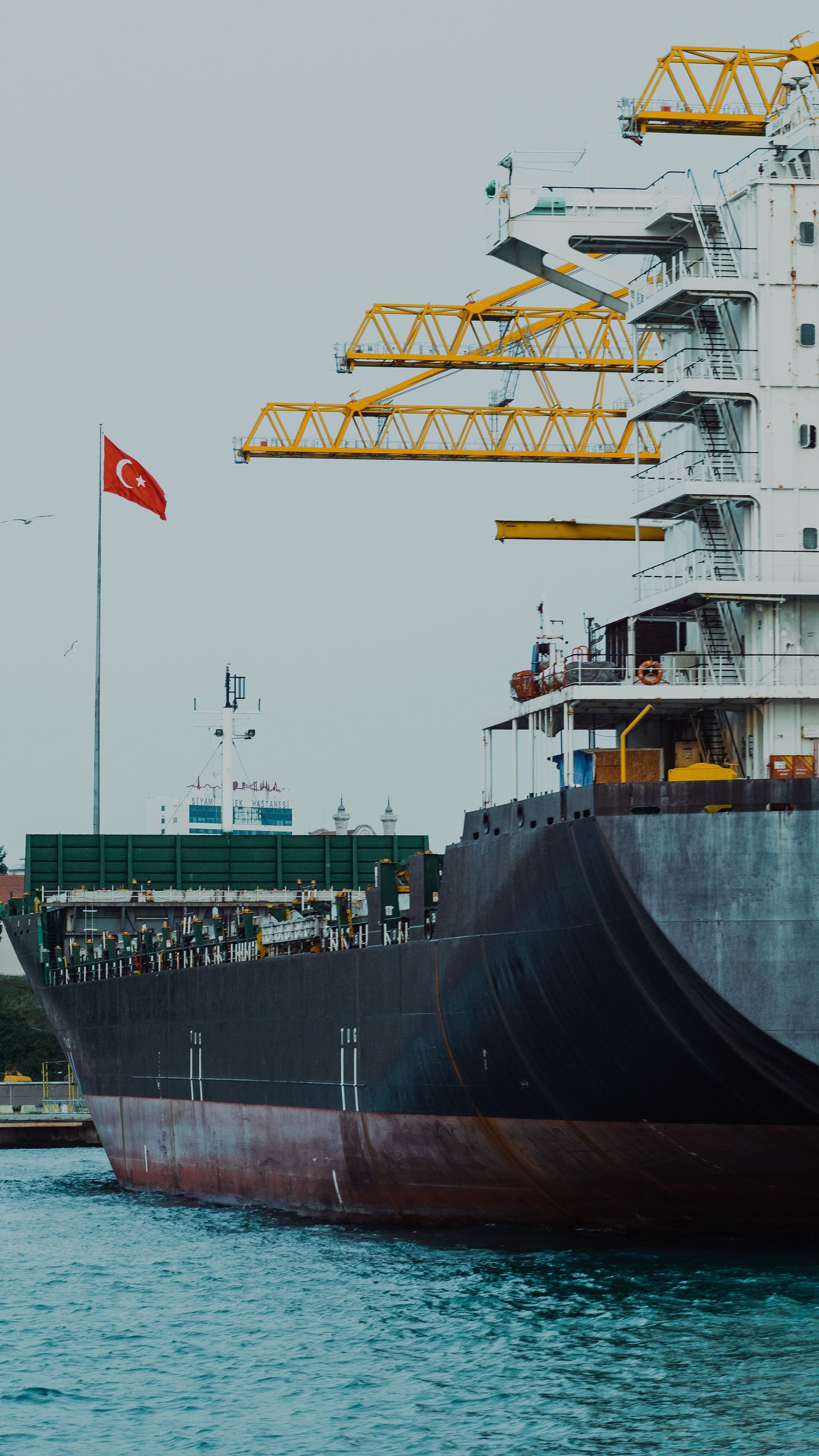
Export & grow your business in Turkey
Identify the most suitable business partners and directly prospect your target customers.

Source from Turkey & secure your industrial procurement
Identify the right suppliers and industrial manufacturers.
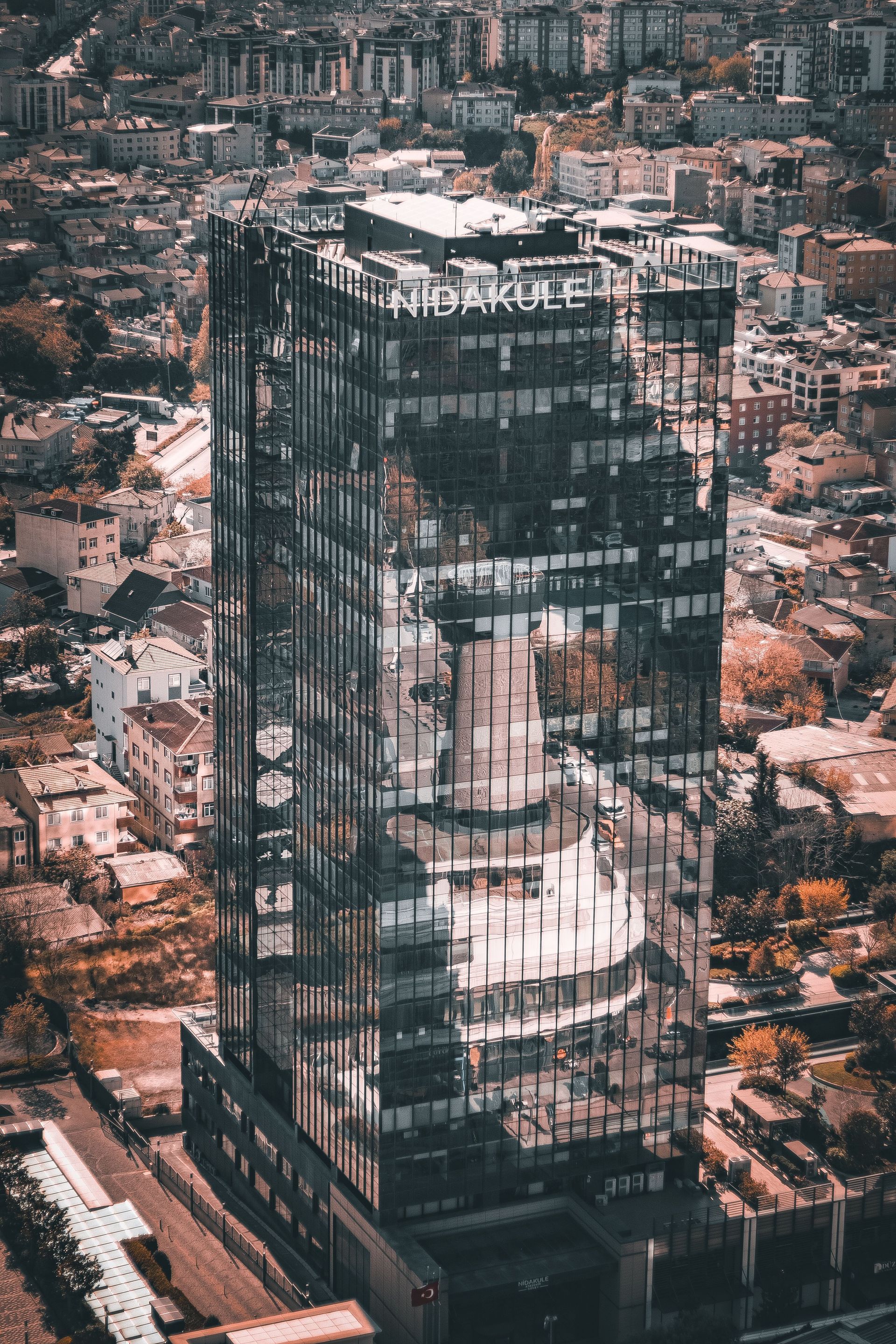
Set up your company in Turkey & structure your local presence
Ensure the success of your industrial and commercial establishment.

Recruit & hire in Turkey while structuring your local team
Identify the bests talents and facilitate their recruitment.
Do you have a specific need in Turkey?
Address a one-off, sensitive, or non-standard business need in Turkey with targeted local support.