
DEFENCE NEWS - Can Türkiye be a strategic partner for European Union ?
DEFENCE NEWS - Can Türkiye be a strategic partner for European Union
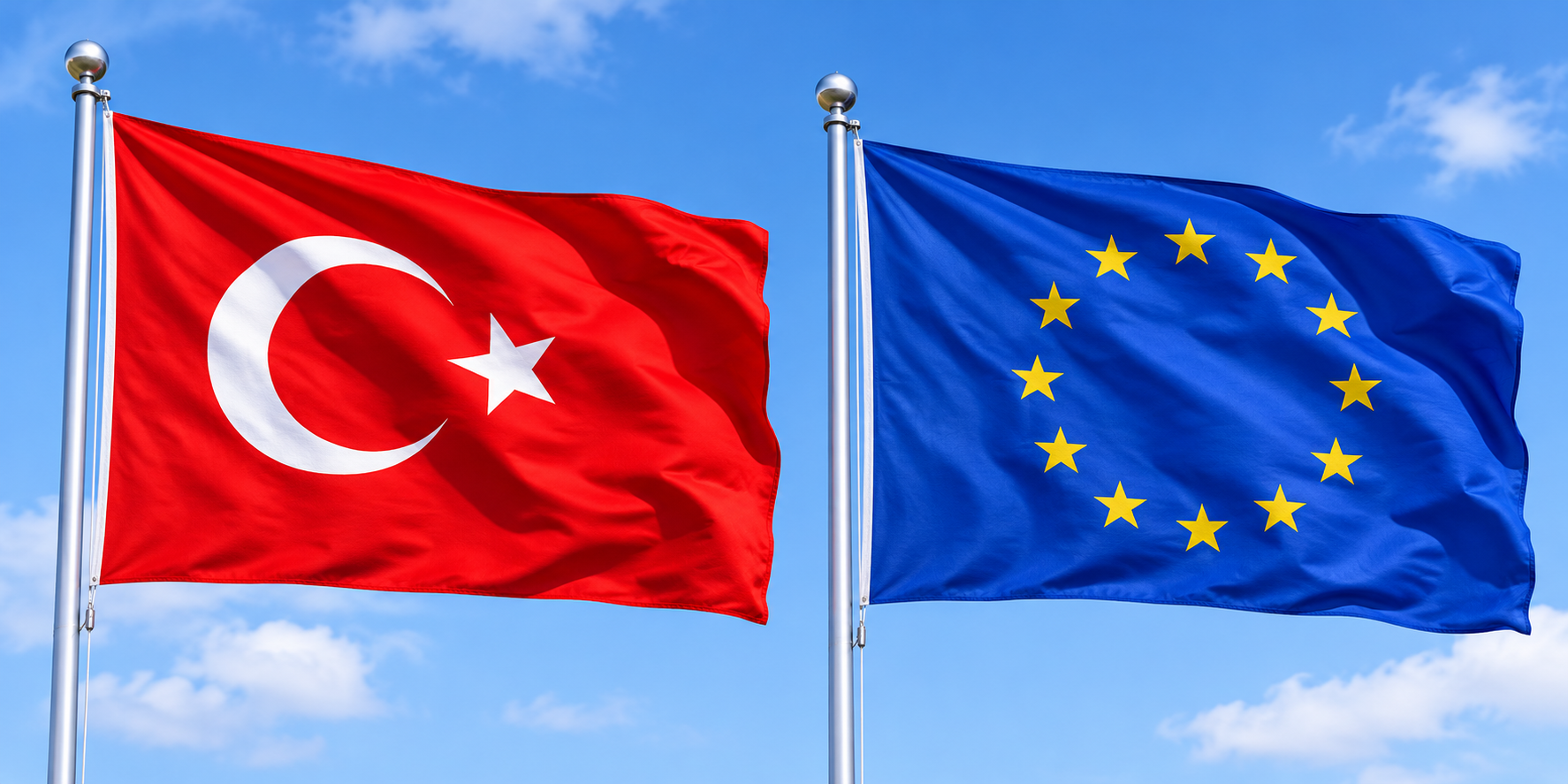
With international conflicts multiplying and, in this increasingly worrying situation, growing doubts about the US President’s actual intentions regarding the continued protection of the Western world, the European Union (EU) has finally decided to rearm. However, this decision comes against a backdrop of chronic inertia between political decisions, taken by 27 capitals, each of which has a say; parliamentary budgetary processes and the incorporation of spending into military programming laws; and their actual implementation. Faced with this persistent sluggishness, whereby equipment procurement processes are completely out of step with the urgency of established needs, many countries have begun looking for faster solutions. As a result, many have turned their attention to Türkiye, an immediate geographical neighbour, an official candidate for EU membership, a member of the Customs Union and a NATO ally since the first wave of enlargement in 1952. With the Alliance’s second-largest army in terms of personnel, a steadily growing defence budget, and a defence industrial and technological base (DITB) that has become so significant that Türkiye now ranks eleventh worldwide in arms exports, the country is attracting renewed interest. This raises the question of whether, in the near future, it could become a strategic partner for European security.
The question itself is enough to stir controversy. On social media, relations between Türkiye and the European Union (EU) give rise to radical positions, often based on notions of values, religious tradition, history or the perennial question of Türkiye’s geographical positioning that are more personal than pragmatic: is Türkiye a European country or not? Do the 3% of Turkish territory located on the European continent make it a European country? All this without anyone really being able to offer a clear definition of what the EU actually is: a historical, geographical or economic space, or one based on a Judeo-Christian tradition? This conceptual ambiguity has the effect of crystallising existing tensions between the “supporters” on one side and the “opponents” on the other, while those who remain undecided prefer to stay out of a debate that is nevertheless crucial. The opponents’ strategy consists of listing a series of grievances, some of which, it must be said, are justified, such as respect for the rule of law and, in the defence sector, the Courbet frigate incident [1], which is repeatedly brought up in their arguments. However, it must be acknowledged that the unease among opponents stems from observing the progress Ankara has made in defence, progress that acts as an uncomfortable mirror reflecting the shortcomings of European countries that have failed to develop, or adequately support, their own defence industries. At the supranational level, this mirror also reflects the European Union’s own weaknesses.
These weaknesses are first and foremost political and military in nature. When discussing operations within the framework of European defence, it must be acknowledged that these are essentially crisis-management, humanitarian and peacekeeping missions (the so-called Petersberg Tasks). Furthermore, when it comes to providing resources for these operations, many states remember that they also contribute to NATO. The result is a cumbersome and slow political-military process which, for some countries, leads to the deployment of no more than a handful of soldiers to headquarters or on the ground. Moreover, in the event of an armed attack against a Member State, the solidarity clause provided for in Article 42(7) of the Treaty of Lisbon does not appear to be as binding as NATO Article 5, unless supported by a skilfully constructed legal argument.
The weaknesses are also doctrinal, reflecting two competing visions: one that could be described as “strictly sovereignist”, advocating the idea of a fully autonomous European Union equipped with an endogenous and fully controlled DITB; and another, more pragmatic approach, which takes greater account of realities on the ground by favouring diversification of supply sources, particularly in view of the urgency of current needs. The first vision has historically been championed by France, while the second has been supported by the Nordic, Baltic and Eastern European countries, which are directly confronted with the Russian threat. By lifting its veto on the sale of Eurofighter combat aircraft to Türkiye in July 2025, Germany joined the second approach, achieving three objectives at once: filling a NATO “capability gap” on its southern flank and along the Black Sea; keeping aircraft production lines operational; and integrating Türkiye into European processes according to the principle of “control through integration”, thereby preventing it from turning, out of frustration, towards partnerships with countries such as Russia or China.
Finally, the weaknesses are structural, although both organisations share the distinction of having managed to produce an impressive number of standards and procedures. The consequences include administrative burdens, endless decision-making processes, increasingly intrusive committee structures, and the emergence of corrective measures known as “simplification missions”, which themselves require dedicated organisation and resources. The European Union primarily operates through industrial and financial instruments, whereas NATO, for its part, has operational levers (operational planning and conduct) as well as capability-related instruments. Although Türkiye is fully integrated into NATO, with a human and financial contribution that helps ease the burden on other Allies, particularly European ones [2], it finds itself excluded from virtually all EU defence mechanisms. This is the discrepancy that needs to be examined in the current context of rearmament, which began with the war in Ukraine, now in its fourth year since 24 February 2026.
Türkiye: a country capable of meeting the European Union’s urgent needs
From a financial perspective, the need to rearm in response to the return of high-intensity conflicts of this kind entails a dual obligation: putting an end to the period of “peace dividends”, which irresponsibly turned defence budgets into adjustment variables, in disregard of strategic foresight; and laying the foundations for a genuine European defence. The first objective has been addressed through an increase in the share of defence spending in gross domestic product (GDP), while the second is reflected in new legislative frameworks such as the ReArm Europe/Readiness 2030 plan, of which SAFE (Security Action for Europe) is one of the five pillars, as well as EDIP (European Defence Industry Programme).
However, although these new founding texts demonstrate genuine political awareness of the need to give the EU a credible role in defence, they are notably lacking in precision and practical detail: what types of equipment need to be acquired, at what precise pace by 31 December 2030, and from whom, if the 65%/35% rule [3] runs up against the reality of the EU’s production capacities, particularly given the need to “regain mass” [4], as highlighted by the lessons learned from the conflict in Ukraine? Since Europe cannot afford to fall behind a Russia that could rebuild its military forces, diversifying supply sources has become an imperative. This explains why countries in the process of joining the EU, candidate countries, potential candidate countries and countries that have concluded a Security and Defence Partnership with the EU are eligible for SAFE joint procurement procedures. These include Albania, Canada, Japan, Moldova, North Macedonia, Norway, South Korea and the United Kingdom. Additional bilateral or multilateral agreements may even be concluded to broaden participation and eligibility conditions. Türkiye is not among the beneficiaries of this instrument, and the door to industrial cooperation has not been clearly opened to it, primarily because of opposition from Greece and the Republic of Cyprus.
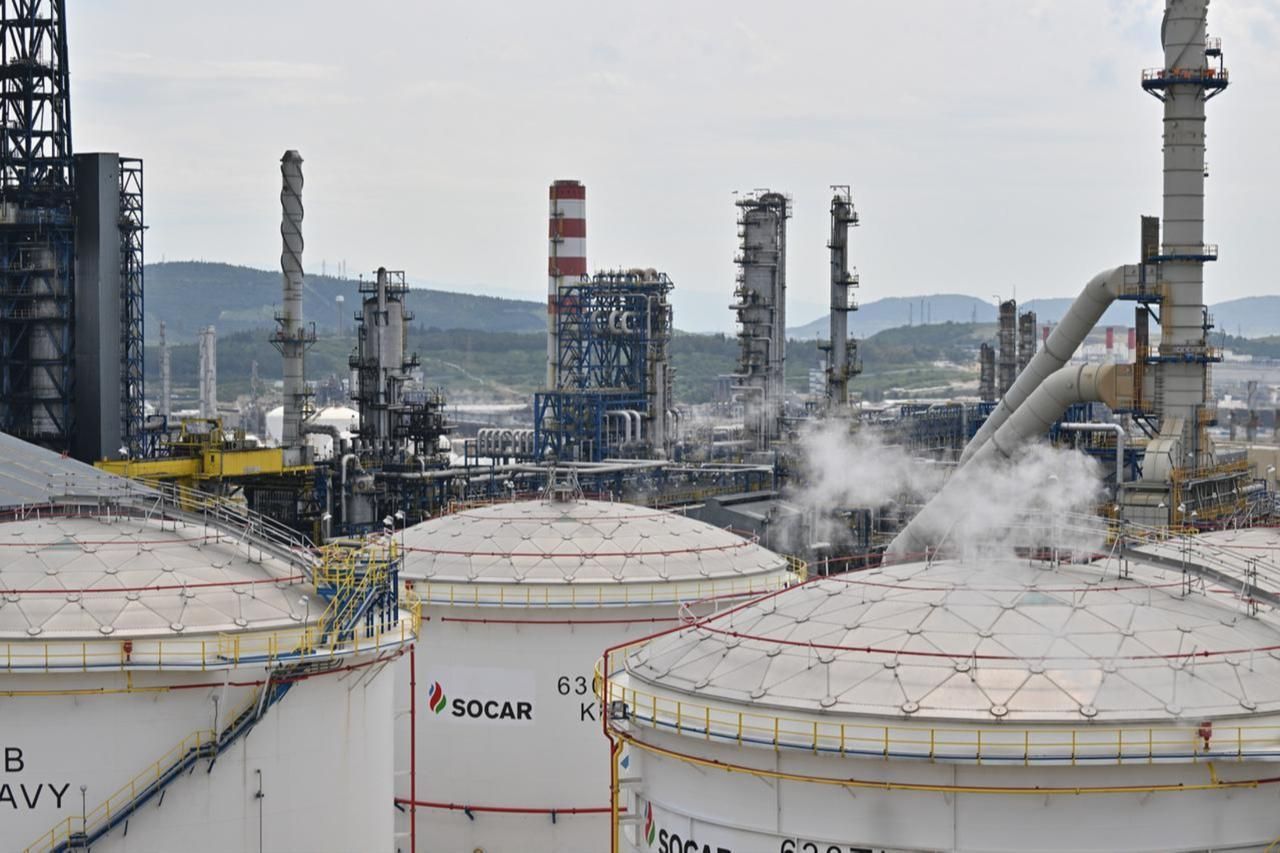
Yet Türkiye’s DITB is capable of providing solutions in a wide range of the required areas, within short timeframes and at reasonable costs. Nearly 4,500 Turkish companies are directly involved in the defence industry. Türkiye is currently running more than 1,400 defence programmes across all domains: land, naval, air, space, armaments and cyber, not to mention approximately 150 R&D programmes covering a wide range of fields such as artificial intelligence, nanotechnology and quantum technologies. Although Türkiye has not yet reached the technical level of advanced countries in highly specialised fields such as propulsion systems and the interception of targets travelling at very high speeds, it is already capable of meeting large-volume demand for armoured vehicles, small arms and heavy weapons, ammunition and, above all, drones, given its now worldwide reputation in this field.
Türkiye: a country already familiar with European mechanisms
This brings us to a crucial question: how can Türkiye be regarded as an element of strategic depth for Europe and a force multiplier without turning partnership instruments into mechanisms of dependency?
First of all, it is worth recalling that Türkiye’s experience with European defence mechanisms is not new. Having become an associate member of the Western European Union (WEU) in 1992, Türkiye joined the Western European Armaments Organisation (WEAO) on 19 November 1996, immediately upon its creation in Ostend under the authority of the WEU, with the same rights and obligations as the other WEU members. As responsibilities were gradually transferred from the WEU to the European Union, Türkiye progressively found itself excluded from the latter’s defence mechanisms. Nevertheless, it has been an associated member of the Horizon Europe programme since its launch in 2021, with significant activity in dual-use fields such as nanotechnology and advanced materials, thanks to the active participation of TÜBİTAK [5]. Within the framework of OCCAr [6], although it is not a full member of the organisation, Türkiye has participated in the A400M military transport aircraft and COBRA counter-battery radar programmes. Turkish Chiefs of Staff regularly take part in high-level European military meetings such as EURAC (European Air Chiefs Conference) and CHENS (Chiefs of European Navies Conference). Turkish participants also attend European sessions for senior armaments officials (SERA). Finally, Türkiye has been a founding member of the Eureka network [7], of which the European Commission is also a member, since its establishment in 1985.
Furthermore, Türkiye participates in numerous European initiatives outside the strict framework of the EU. As early as 2024, Germany incorporated Türkiye into its ESSI (European Sky Shield Initiative), which aims to establish an integrated air and missile defence system in Europe within the framework of NATO. The United Kingdom has identified Türkiye as a leading player, pursuing a much more flexible “coalition-building” policy than the EU-27 and thereby facilitating the signing of high-level partnerships such as BAE/Nurol and BAE/TAI (Turkish Aerospace Industries). In Italy, the replacement of the Golden Share mechanism with Golden Power, which allows companies to conduct activities critical to the national interest without the State having to be a shareholder, paved the way for Baykar’s acquisition of Piaggio Aerospace. Six months later, this was followed by a strategic partnership between Baykar and Leonardo. Another example of a high-level initiative outside the strict EU framework is Spain, with NAVANTIA’s involvement in Turkish naval programmes, including the national aircraft carrier MUGEM. At the same time, other countries such as Poland, given the urgency of their needs in the face of the Russian threat, have opted for a so-called “bottom-up” approach, prioritising cost competitiveness and production speed, thereby becoming the leading European buyer of Turkish drones. As a next step, Warsaw is currently negotiating the establishment on its territory of a 155 mm ammunition plant operated by the Turkish company MKE. There are many other examples of bilateral cooperation within the EU, such as Portugal, which has ordered two naval logistics support vessels from the Turkish company STM.
There are numerous reasons behind these national initiatives outside the strict EU framework: disagreements over programme governance, differences in programme priorities and equipment procurement strategies, and the slowness of central mechanisms. While every bilateral contract signed undoubtedly represents another building block in the development of European defence capabilities, it must be acknowledged that the effects of this practice are potentially harmful. Excessive prioritisation of national preferences will eventually, if such examples multiply, weaken already heavily criticised central European institutions. The logic of “convergent multilateralism”, which is essential to building a common defence mindset, will then give way to a proliferation of “transactional minilateralism”, considered more effective but escaping Brussels’ control.
The opponents mentioned earlier will undoubtedly point out that Türkiye is taking advantage of the weaknesses of the European defence model thanks to the attractiveness of its products: reasonable costs, rapid production and proven operational effectiveness. This may well be true, in accordance with the saying “business is business”. However, it should be remembered that sales of Turkish military equipment fall within the principle of subsidiarity set out in Article 5(3) of the Treaty on European Union (TEU), which states that “the Union shall act only if and in so far as the objectives of the proposed action cannot be sufficiently achieved by the Member States”.
Nevertheless, aware that it is not yet capable of operating entirely autonomously in the “first markets” (long-term development cycles spanning a decade), such as fighter aircraft, submarines and main battle tanks, Türkiye’s strategy is to establish itself in the “second markets” (“military consumables”), such as light armoured vehicles, tactical drones, small arms and ammunition [8]. Thus, Romania and Hungary have purchased Turkish tactical armoured vehicles, respectively the COBRA II and Ejder Yalçın models, with a local assembly line being established in Romania and a local version, named GidrÁN, being developed in Hungary. Estonia, for its part, has acquired both ARMA 6x6 and YÖRÜK 4x4 vehicles. Therefore, given the current state of its DITB, and probably for years to come, Türkiye does not constitute a serious threat to the major players in the “first markets”, such as Airbus, Safran, Dassault and MBDA. This assessment is all the more valid because Türkiye has yet to overcome its own prejudices and cultural barriers in order to operate more effectively: it trusts only Turkish people, and it is unlikely that major national companies such as Aselsan, Roketsan, TAI, Havelsan or even Baykar will soon be represented in France by a French national capable of opening high-level markets for them.
The conditions for a strategic partnership with the EU
Given its ability to provide rapid and appropriate responses in certain segments, Türkiye not only can, but must become a strategic partner of the EU. Fears that Ankara might seek to capture major European defence markets are, as we have seen, unfounded, or at least not yet a current concern. This is why it is already essential to establish a clear framework for all actions to be undertaken by putting in place control mechanisms designed not to block the Turkish offering, but to manage it effectively.
A first mechanism would involve ensuring the strict application of the principle of reciprocity, whether in relation to business establishments, company representations or management, or market access. Without this “firewall”, Turkish companies’ access to the European market would eventually come with no corresponding benefits for companies from EU countries. The significant decline in the number of French companies attending Turkish defence exhibitions such as IDEF and SAHA Expo is symptomatic of this imbalance, as Türkiye is now seeking to export rather than purchase. Only French companies that have established partnerships with Turkish companies exhibit at these events, and they do so under their local partners’ banners. The French identity is no longer visible.
The second mechanism would be to introduce sunset clauses so that, where necessary, an agreement can be terminated quickly if reciprocity is no longer respected or if the agreement begins to work to the detriment of European interests. A review committee would be responsible for periodically assessing the conditions under which the agreement is being implemented, with particular attention to the added value generated on both sides and to the nature and volume of technology transfers.
The third mechanism, at a more supranational level, would involve relying on the European Defence Agency (EDA) to establish a coordination structure between the EU and Türkiye. This structure would be tasked with coordinating procurement markets at the European level, without restricting or prohibiting them, in accordance with the principle of subsidiarity mentioned above. It would enable all European companies to benefit from a centralised overview of the markets, allowing them to identify potential competition or market saturation risks. If the Member States so decide, it could issue recommendations aimed at effectively addressing gaps in the European defence industry. In an even more structured approach, consideration could be given to drawing inspiration from the bilateral administrative arrangements that the EDA has already signed with other countries, such as Norway, Switzerland and Serbia.
***
Beyond the persistent differences between the Turkish political model and European criteria, which were once again highlighted in the European Parliament’s 2025 report on Türkiye, the vetoes exercised by Greece and the Republic of Cyprus against Türkiye’s participation in European defence mechanisms remain the main obstacles to a strategic partnership between Brussels and Ankara. However, for the EU, the issue goes beyond the simple framework of bilateral relations: it is a matter of choosing between an autonomous European defence capability, which is an unrealistic prospect over the coming years, and a pragmatic strategic depth that includes Türkiye, which, given its defence capabilities, is already able to meet urgent needs and address capability gaps in certain segments.
Thus, rather than stubbornly setting these two approaches against each other, it would be wiser, in the interests of Europeans, to consider Türkiye’s DITB not as a competitor, but as a structural component of European defence, through the establishment of control mechanisms designed to prevent any unavoidable interdependence and any dominant position on the part of Türkiye. For the EU, the urgent need to rearm in response to the deterioration of the international situation should be an opportunity to rethink its defence partnership with Ankara.
-----
[1] The incident took place on 10 June 2020. While participating in NATO’s Sea Guardian operation, the COURBET FLF (Frégate Légère Furtive – stealth light frigate) was illuminated three times by the fire-control radar of a Turkish Navy vessel as it was preparing to inspect the cargo ship ÇİRKİN, suspected of violating the United Nations arms embargo imposed on Libya. Flying the Tanzanian flag, the ÇİRKİN had departed from the Turkish port of Haydarpaşa. Escorted by the Turkish frigates TCG Gökova (F-496) and TCG ORUÇREİS (F-245), it had also benefited from air cover while sailing off the island of Psara, east of the island of Chios. Under the rules of engagement, radar illumination is considered an act of war, as it is the final action preceding the opening of fire. The risk arising from this unacceptable act between Allies was that the COURBET might have immediately opened fire.
[2] Türkiye’s participation in Operation Althea in Bosnia and Herzegovina, conducted under the Berlin Plus arrangements, is a concrete example.
[3] Council Regulation (EU) 2025/1106 of 27 May 2025 establishing the “Security Action for Europe (SAFE)” instrument through the strengthening of the European defence industry – Article 16(10): “the cost of the components originating from countries other than the Union, the EEA-EFTA States and Ukraine shall not exceed 35% of the estimated cost of the components of the end product”. The EEA-EFTA States are the countries participating in the European Economic Area (EEA) through the European Free Trade Association (EFTA).
[4] An expression used by military personnel to describe an army’s ability to deploy a sufficient volume of human, material and logistical resources simultaneously and over an extended period.
[5] Türkiye Bilimsel ve Teknolojik Araştırma Kurumu, the Scientific and Technological Research Council of Türkiye.
[6] Organisation for Joint Armament Cooperation.
[7] Eureka is an intergovernmental network established in 1985 to support international cooperation in market-oriented research, development and innovation. It brings together ministries and funding agencies from 47 countries, as well as the European Commission, with each State funding participants falling within its national remit. However, unlike EU framework programmes for research such as Horizon Europe, EUREKA is not an EU programme.
[8] Julien Malizard, Josselin Droff, “Evolution of Conflicts and Restructuring of the Arms Industry: The Two-Market Hypothesis”, Défense Industries, No. 18, June 2024.]
***
Article written by Patrice MOYEUVRE, General Officer in 2s of the French Air and Space Force, researcher at IRIS and Director of defense and security projects within Advantis.