

Turkish Airlines invests in the world's largest air cargo terminal
Turkish Airlines invests in the world's largest air cargo terminal
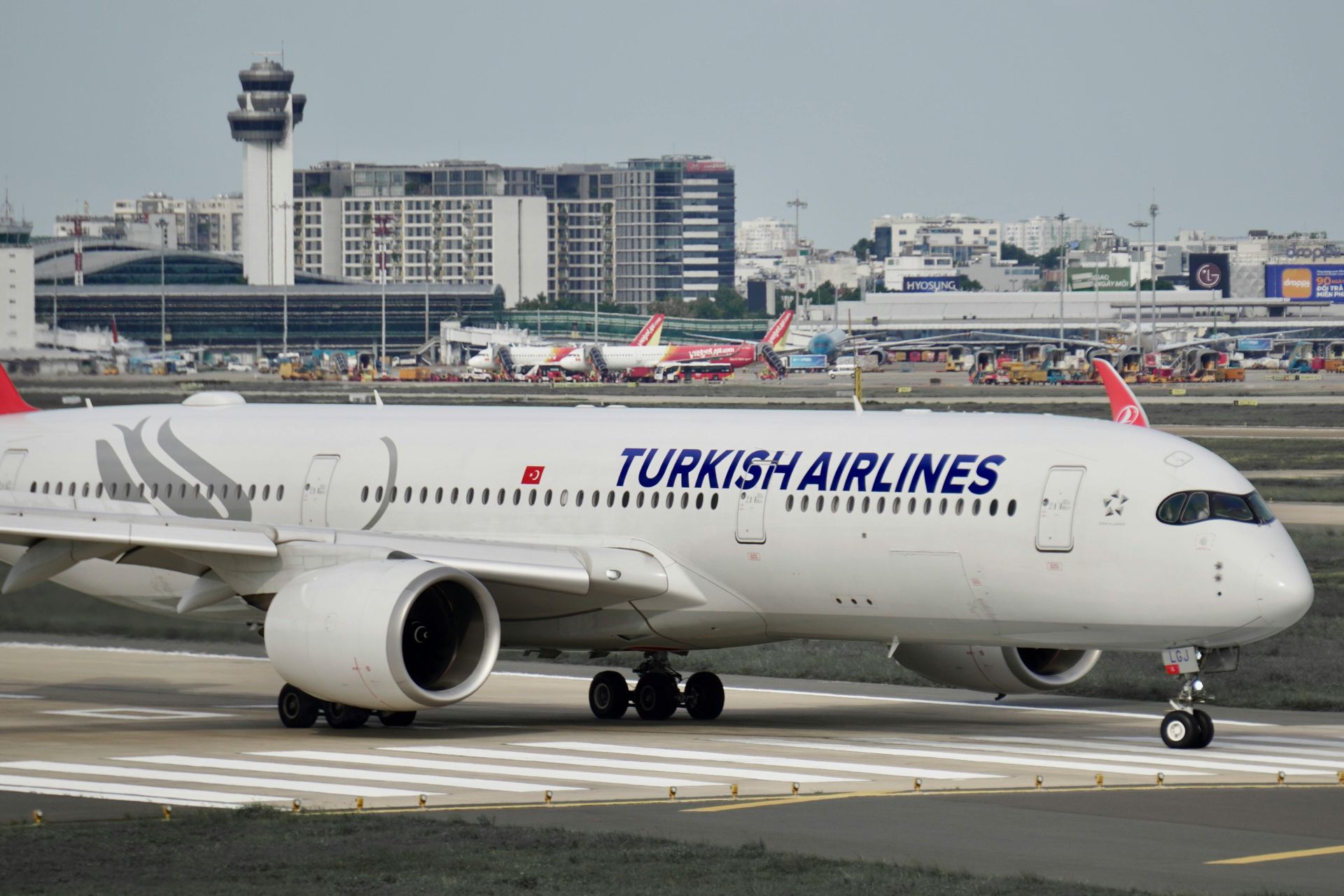
Turkish Airlines has announced a major infrastructure investment exceeding $2.3 billion to develop what it says will be the world’s largest air cargo terminal and an integrated in-flight catering facility, marking a significant expansion of its logistics and service capabilities. The project is expected to be located at Istanbul Airport, the airline’s primary hub, although final site details are yet to be formally confirmed.
Once completed, the new complex will significantly expand Turkish Airlines’ cargo handling capacity and strengthen Istanbul’s position as a global aviation and logistics gateway connecting Europe, Asia, Africa, and the Middle East. According to the airline, the cargo terminal will be designed to handle several million tonnes of freight annually, far exceeding current capacity levels.
Turkish Cargo, already among the world’s leading air freight operators, transported close to two million tonnes of cargo annually in recent years, and the new facility is intended to support long-term growth in global air freight demand. Alongside cargo operations, the investment includes the construction of a next-generation in-flight catering facility. The integrated design is aimed at improving efficiency, food quality control, and scalability for Turkish Airlines’ extensive passenger network, which serves more countries than any other airline globally.
The airline estimates that the project will create approximately 26,000 jobs, including direct employment and roles across supporting industries such as logistics, ground handling, supply chain services, and catering operations. Turkish Airlines has positioned the investment as both a strategic aviation initiative and a broader economic development project for Türkiye. Industry analysts note that the investment aligns with Turkish Airlines’ wider expansion strategy, which includes large-scale fleet growth plans and continued emphasis on cargo as a key revenue driver.
The carrier has been expanding its long-haul and widebody fleet while reinforcing Istanbul Airport’s role as a major intercontinental hub. Turkish Airlines executives have stated that the project will enhance operational resilience, reduce dependency on third-party facilities, and support the airline’s ambition to remain competitive in both passenger and cargo markets amid global supply chain shifts.
***
Source : Aviation Today, January 05th, 2025.