
Aselsan successfully launches its Luna-2 satellite
Aselsan successfully launches its Luna-2 satellite
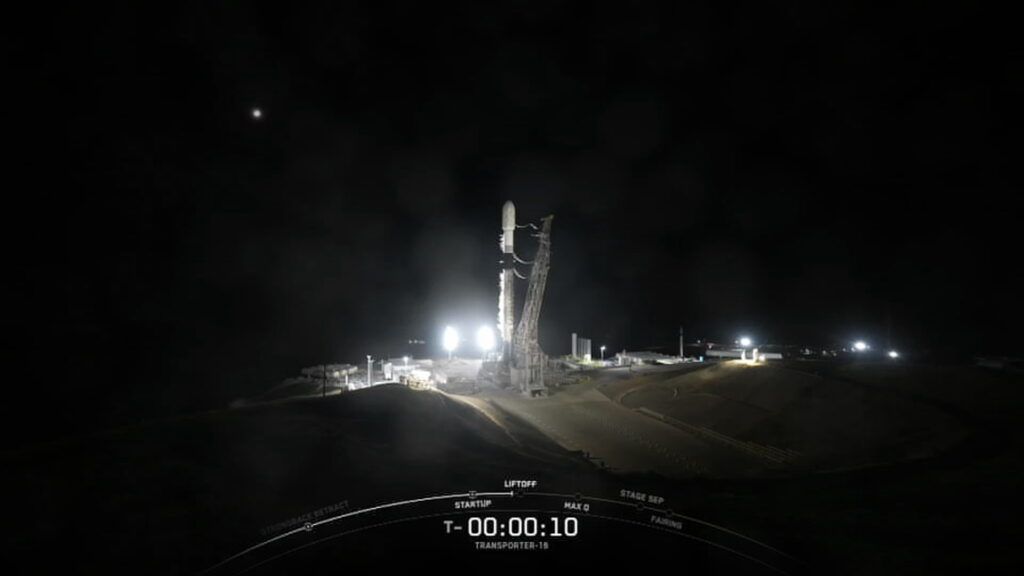
Continuing its determined effort to transfer its advanced technological expertise from the defense industry to the space sector, ASELSAN successfully launched LUNA-2 on March 30, 2026 — the second satellite in its space-based IoT series — from the state of California, USA, via SpaceX.
Amid the global transformation shaped by the new space era, ASELSAN continues to deliver high added value to Türkiye’s space ecosystem through its national engineering capabilities and innovative system solutions. Its activities span a wide range, from satellite communication systems to payloads, as well as ground control infrastructures and platform solutions, further strengthening ASELSAN’s strategic position in this field. Despite its small size (nano-satellite), LUNA-2 is capable of providing secure and uninterrupted sensor data even in the most remote areas of the world. Thanks to its dedicated communication system (LoRa), the satellite can cover vast areas with very low energy consumption.
A solution based on national capabilities
All design, development, production, integration, and testing activities of LUNA-2 were carried out by ASELSAN. The flight software, ground control software, LoRa transceiver card used as payload, and the data transmission unit were all developed in-house by ASELSAN engineers, resulting in a solution fully based on national capabilities.
The successful launch of LUNA-2 strengthens ASELSAN’s expertise in space-based IoT while making a significant contribution to Türkiye’s vision of independent, competitive, and sustainable space technologies.
Space-based Internet of Things
According to information published in issue 115 of ASELSAN Magazine, IoT data is processed in cloud systems, while Low Earth Orbit (LEO) satellites are preferred for data transmission in areas not covered by terrestrial networks. LEO satellites offer advantages such as low cost and low latency and operate in interconnected constellations to ensure continuous global coverage.
These constellations are divided into two categories: low-data-rate systems powered by batteries (nano-satellites) and high-data-rate systems requiring grid power and large antennas. In IoT architecture, data transmission can occur either directly from devices to satellites or via a gateway that collects the data.
IoT technology has a wide range of applications, including agriculture and livestock farming, climate and disaster management, maritime, transportation, and autonomous systems. In agriculture and livestock, soil moisture, mineral levels, and animal health are continuously monitored to increase productivity and detect diseases early. In climate and disaster management, dam water levels, drought risks, and early-stage forest fires can be identified to enable rapid response. In maritime and transportation, ships, trains, and trucks are tracked globally, ensuring cargo security while optimizing routes and fuel efficiency. In autonomous vehicles, high-precision positioning, vehicle-to-vehicle communication, traffic analysis, and remote diagnostics enhance driving safety.
In this context, satellite-based IoT technology provides strategic advantages in terms of sustainability and operational efficiency.
***
Source : Defence Turk, March 30, 2026. Article translated by Advantis Conseils Turquie