
Türkiye’s strategy on rare earth elements and critical minerals: Beylikova as a pillar of a major industrial transformation
Türkiye’s strategy on rare earth elements and critical minerals: Beylikova as a pillar of a major industrial transformation
Importance of rare earth elements and global context
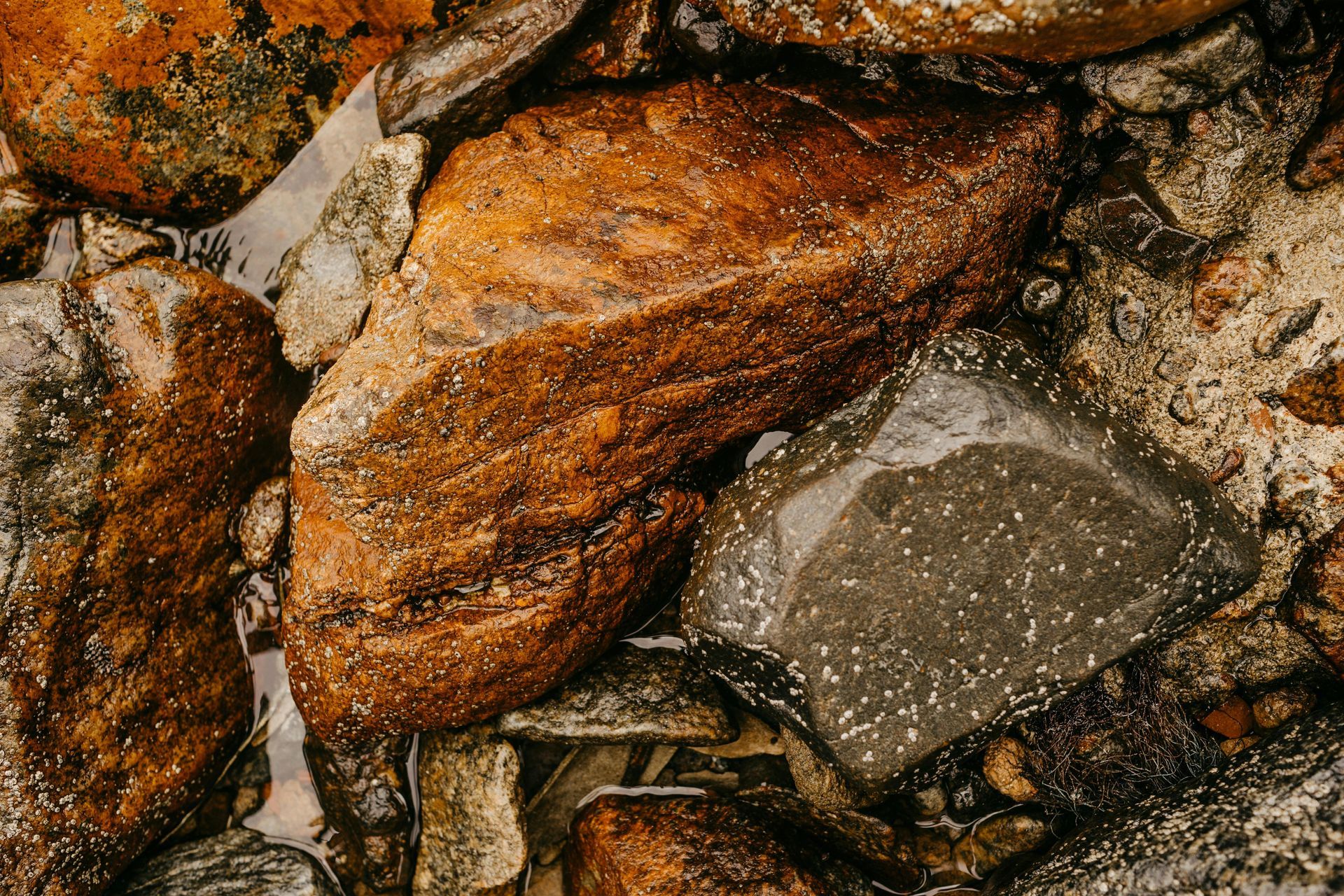
Rare earth elements (REEs) are a group of 17 elements in the periodic table which, contrary to what their name suggests, are relatively abundant in the Earth’s crust. What makes them “rare” is not their natural occurrence, but the difficulty of finding them in concentrations that are economically viable for industrial extraction.
Moreover, their separation and refining involve technologically complex and costly processes. These elements are often referred to as the “technological vitamins” of the modern world, as they are essential across almost all high-tech sectors: from smartphones to wind turbines, from electric vehicle motors (particularly permanent magnets) to advanced defense systems such as the F-35.
Globally, the REE market has long been dominated by China. By controlling a large share of global production and especially refining capacity, China also holds a strategic geopolitical lever. This situation is pushing Western countries and developed economies to urgently diversify their supply chains. Dependence on Beijing’s decisions in technology, energy, and defense sectors is now seen as a major national security vulnerability.
In this global geopolitical landscape, Türkiye—long aware of its potential but lacking a structured strategy—did not play an active role for decades. However, a major discovery in 2022 significantly changed the situation, forcing the country to rethink its mining policy and develop an ambitious national strategy to become a credible actor in global supply chains. This article thus analyzes Türkiye’s evolution from a modest historical position to the emergence of an ambitious national policy on REEs.
Discovery and historical context of rare earths in Türkiye
Türkiye’s mining history has long been focused on traditional resources such as boron, chromite, lignite, and marble. Until the late 20th century, REEs were neither an economic priority nor a strategic objective.
At that time, the General Directorate of Mineral Research and Exploration (MTA) conducted various geological surveys across the country. During these studies, rare earth and thorium anomalies (often associated with REEs as a radioactive element) were identified in regions such as Malatya-Kuluncak, Sivas, and Burdur. However, these findings were not exploited due to a lack of demand, suitable technologies, and economic awareness.
The first geological studies on REEs in Türkiye date back to the 1950s, but their strategic importance was negligible at the time. In the 1980s and 1990s, new research conducted by MTA identified deposits in areas such as Eskişehir-Beylikova, Malatya-Kuluncak, and Sivas-Yıldızeli.
Reserve potential and economic value
From the 2000s onward, rising global demand and export restrictions imposed by China revived interest in these resources in Türkiye.
Detailed studies conducted after 2010 by MTA and Eti Maden revealed a major deposit in Beylikova, estimated at approximately 694 million tons of resources. This site is considered the second-largest rare earth deposit in the world after Bayan Obo in China (800 million tons).
Although China remains the global leader, this discovery provides Türkiye with a significant strategic opportunity, particularly for Western countries seeking to reduce their dependence.
The Eskişehir-Beylikova site is also rich in barium, fluorite, thorium, and rare earth oxides. The total rare earth content (17 elements) is estimated at around 0.2–0.3%, but the scale of the deposit makes its exploitation economically significant.
Türkiye’s total rare earth oxide reserves are estimated at around 700 million tons, representing nearly 10% of global reserves.
However, turning these reserves into economic value strongly depends on the development of extraction and refining technologies, which remain complex and costly. Türkiye is still at an early stage of development in this regard.
In 2023, the opening of the Beylikova pilot facility marked a major strategic step, with a processing capacity of approximately 1,200 tons of ore per year, aimed at testing chemical separation processes using local technologies.
Türkiye’s integration into the global rare earth dynamics
From the 2000s onward, Türkiye gradually became aware of the strategic value of REEs from economic, technological, and geopolitical perspectives.
The first structured initiatives were led by MTA and Eti Maden, particularly in regions such as Eskişehir, Kütahya, Malatya, Sivas, Burdur, Aydın, and Manisa. These efforts confirmed the potential of the Beylikova site, considered one of the most complex and strategic in the country.
The modernization of Eti Maden in the 2000s expanded its scope beyond boron, investing in advanced processing technologies and pilot facilities for REEs.
In the 2010s, these efforts were integrated into the national mining strategy, strengthening their institutional framework.
The MAPEG Strategic Plan (2019–2023), aligned with the Eleventh Development Plan, confirmed the priority given to critical and strategic minerals, including rare earths.
Furthermore, the establishment of TENMAK (Turkish Energy, Nuclear and Mineral Research Agency) strengthened coordination between scientific research and strategic mining policy.
Since 2018, with the centralization of public policies, critical minerals have become a matter of national security. In 2019, Beylikova was officially recognized as the second-largest rare earth deposit in the world.
Industrialization and transition to the value chain
In the 2020s, Türkiye entered a new phase by launching concrete industrial projects.
Eti Maden began constructing the Beylikova pilot facility, capable of processing 1,200 tons of ore per year. This project represents a key transition between research, laboratory work, and industrial production.
Meanwhile, TENMAK and TÜBİTAK MAM are developing R&D projects on refining technologies, oxide extraction, and advanced material production.
Rare earths have also been classified as strategic minerals under Türkiye’s mining legislation, strengthening state control over their exploitation.
Within the national energy and mining strategy, these resources are now considered not only raw materials but essential components of technological and industrial security.
Conclusion
Türkiye’s journey in rare earth elements illustrates a profound transformation: from long-underexploited potential to an ambition to become a global actor in critical minerals.
The Beylikova deposit, considered one of the most important in the world, has redefined national mining policy. Türkiye is no longer limited to raw material extraction but aims to master the entire value chain, including refining technologies and the production of high-value-added materials.
The ultimate objective is clear: not only to be a resource holder, but an integrated player in global strategic technology supply chains, particularly in defense and the energy transition sectors.
***
Source : Kültür Medeniyet Vakfı